When considering a life-changing procedure like laser eye surgery, one of the first questions that often comes to mind—after "Will it work?"—is, "What is the Cost of Laser Eye Surgery and Financing Options?" It's a significant investment in your vision and quality of life, and understanding the financial landscape is just as crucial as understanding the medical procedure itself.
This isn't a simple, one-size-fits-all answer. The cost can vary widely based on numerous factors, from the specific technology used to your surgeon's experience and even your geographic location. But don't worry, navigating these details doesn't have to be overwhelming. We're here to break down the costs, illuminate your financing options, and equip you with the knowledge to make a confident decision about your vision.
At a Glance: Key Takeaways on Laser Eye Surgery Costs
- Typical Range: Laser eye surgery generally costs between $1,500 and $5,000 per eye.
- Influencing Factors: Technology, surgeon experience, geographic location, and specific procedure type all play a role.
- Modern Procedures: All-laser surgeries often fall between $2,495 to $2,595 per eye, while "Premium" options can reach up to $3,300.
- Insurance: Most often considered elective, full insurance coverage is rare, but some vision plans offer discounts.
- Financing: Common options include 0% interest payment plans, HSAs/FSAs, and specialized medical credit like CareCredit.
- What's Included: A comprehensive quote usually covers pre-op tests, surgeon fees, surgical center fees, and post-op care. Always ask for an itemized breakdown.
The Investment in Clear Vision: What Does Laser Eye Surgery Really Cost?
Let's cut right to the chase: how much should you expect to pay for the freedom of ditching glasses and contacts? While it's tempting to look for a single number, the reality is more nuanced. Think of it less as a fixed price and more as an investment, with various tiers of technology and service contributing to the final figure.
General Cost Ranges and Influencing Factors
For most refractive laser eye surgeries, like LASIK or PRK, you're typically looking at a range of $1,500 to $5,000 per eye. This broad spectrum accounts for the differing technologies and services available. For example, contemporary all-laser eye surgeries (often referred to as custom or wavefront-guided procedures) tend to cost around $2,495 to $2,595 per eye. More advanced 'Premium' procedures, which might include specific wavefront optimization or advanced diagnostic mapping, can climb to $3,300 per eye.
It's also worth noting that many patients, especially after exploring insurance discounts or promotional offers, report paying closer to $1,900 per eye. This highlights the importance of asking questions and thoroughly vetting clinics.
Why Prices Vary So Much
Understanding the factors behind these price differences can help you evaluate quotes and make sense of your options.
- The Technology You Choose: Older, standard LASIK procedures might be less expensive, but they may not offer the same level of precision or customization as newer, all-laser, wavefront-guided, or topography-guided techniques. These advanced methods use sophisticated diagnostics to create a highly personalized treatment plan, which naturally comes at a higher cost.
- Surgeon's Experience and Reputation: Highly experienced surgeons, especially those with extensive track records and specialized certifications, often command higher fees. You're paying for their expertise, precision, and the peace of mind that comes with it.
- Geographic Location: Just like real estate, medical procedure costs can be influenced by location. Clinics in major metropolitan areas or regions with higher costs of living (like certain parts of Texas, where prices can range from $1,999 to $3,000 per eye) typically have higher overheads, which are reflected in their pricing.
- Specific Procedure Type: As you'll see below, different types of laser eye surgery involve distinct methods and technologies, leading to varying price points. From LASIK to PRK to SMILE, each has its own cost implications.
Decoding Specific Procedure Costs
When most people think of "laser eye surgery," they often picture LASIK. However, there's a whole spectrum of procedures, each designed for different needs and costing a different amount. Understanding these distinctions is key to understanding your quote. You can explore the different types of laser eye surgery to see which one might be right for you.
Refractive Surgeries: LASIK, PRK, LASEK, SMILE
These procedures aim to correct refractive errors like nearsightedness, farsightedness, and astigmatism, reducing or eliminating the need for corrective lenses.
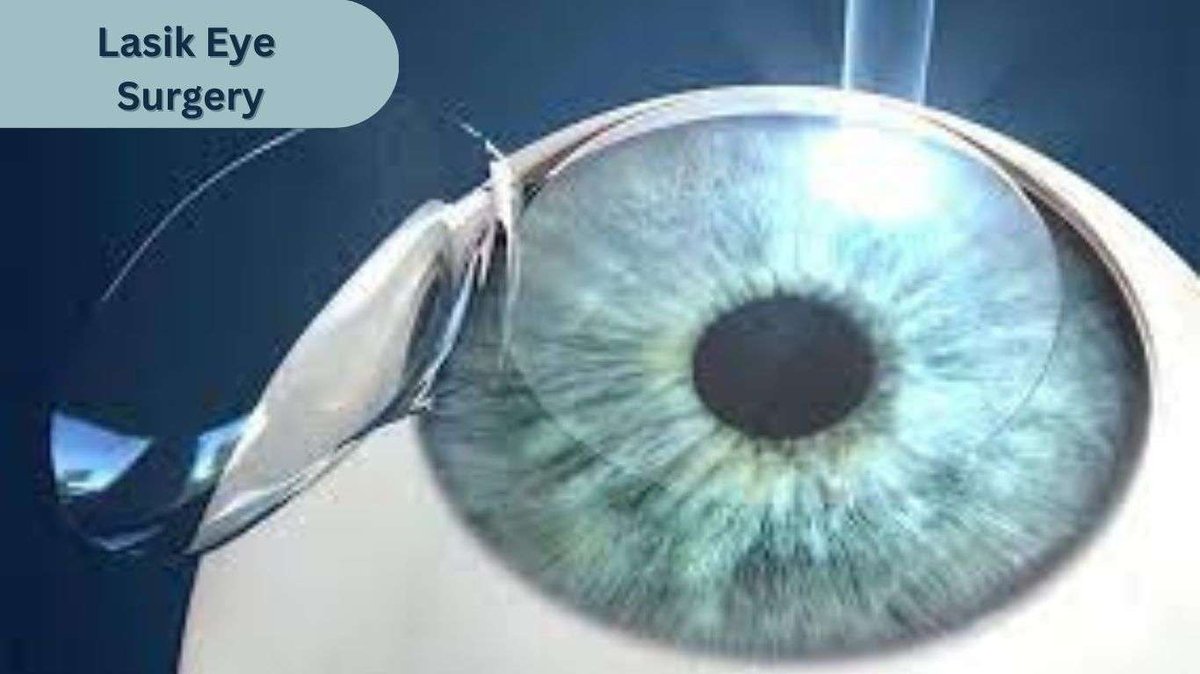
- LASIK (Laser-assisted in situ keratomileusis): This is the most well-known procedure. It involves creating a thin, hinged flap in the cornea, reshaping the underlying corneal tissue with a laser, and then repositioning the flap. The national average for LASIK is around $2,600 per eye.
- LASEK (Laser subepithelial keratomileusis): Similar to PRK, LASEK involves using an alcohol solution to loosen and remove the outermost layer of the corneal epithelium before reshaping the underlying tissue. The flap is then repositioned. It's often around $1,500 per eye, making it one of the more affordable options.
- PRK (Photorefractive keratectomy): In PRK, the outermost layer of the cornea (epithelium) is completely removed and allowed to regrow naturally after the underlying corneal tissue is reshaped by the laser. The average cost for PRK is approximately $2,500 per eye. It's a great option for those with thinner corneas or active lifestyles.
- SMILE (Small incision lenticule extraction): A newer, minimally invasive procedure, SMILE uses a laser to create a small, lens-shaped piece of tissue (lenticule) within the deeper cornea. This lenticule is then removed through a tiny incision. SMILE typically costs around $2,500 per eye.
Beyond Refractive: Other Laser Eye Treatments
Laser technology isn't just for correcting vision; it's also a powerful tool for treating various eye diseases. These are often medically necessary, which can impact insurance coverage.
- Laser-assisted Cataract Surgery (FLACS): While standard cataract surgery (removing the cloudy lens and replacing it with an artificial one) is typically covered by insurance, the laser-assisted portion offers greater precision in mapping incisions and can correct astigmatism. However, Medicare and many private insurers may not cover the additional cost of the laser component, leaving patients with an out-of-pocket expense of typically $4,000 to $6,000 per eye for the advanced features.
- Glaucoma Laser Surgeries: These procedures aim to lower intraocular pressure, preventing damage to the optic nerve.
- Laser trabeculoplasty (ALT/SLT): Improves fluid drainage for open-angle glaucoma, ranging from $130 to $530 per eye.
- Laser peripheral iridotomy (LPI): Creates a small opening in the iris to reduce pressure for angle-closure glaucoma, costing around $180 to $530 per eye.
- Cyclophotocoagulation: Reduces fluid production for advanced glaucoma, averaging $1,300 to $2,600 per eye.
- Retinal Laser Surgery (Photocoagulation): Used to seal unhealthy retinal areas or stop abnormal blood vessels. This is crucial for conditions like retinal tears, age-related macular degeneration (AMD), or diabetic retinopathy. Costs are generally between $740 and $2,400. Because these are usually medically necessary, they are far more likely to be covered by insurance.
Are You a Candidate? Understanding the Prerequisites
Before diving into financing, it’s crucial to determine if you’re a suitable candidate for laser eye surgery. No matter how much you want it, not everyone qualifies, and attempting the procedure if you don't meet the criteria could lead to complications or unsatisfactory results. This is also why many clinics offer free consultations to help you understand if you're a good candidate.
Key Criteria for Eligibility
Generally, surgeons look for the following:
- Age: You should be at least 18 years old. In some cases, surgeons prefer patients to be in their early twenties to ensure full eye maturity.
- Stable Vision: Your prescription should have been consistent for at least one year. Significant changes indicate your vision hasn't fully stabilized, which could affect the long-term results of the surgery.
- Good Overall Eye Health: This is paramount. Conditions such as glaucoma, severe dry eye syndrome, cataracts, diabetic retinopathy, or macular degeneration can disqualify you. Your corneas must also be healthy and thick enough for the specific procedure.
- General Health: Certain systemic health conditions or medications (e.g., autoimmune diseases, pregnancy, breastfeeding) can impact healing and may temporarily or permanently rule you out.
The Importance of a Consultation
A comprehensive eye examination with a qualified surgeon is absolutely vital for a personalized assessment. Many reputable clinics offer free consultations for refractive surgery, which include diagnostic tests to measure your corneal thickness, eye tracking, tear film analysis, pupil size, and topography. This thorough evaluation ensures your eyes are healthy enough and that the chosen procedure is safe and effective for you. Don't skip this step!
Navigating the Financial Landscape: Smart Ways to Pay
So, you've decided laser eye surgery is right for you, and you have a clear understanding of the potential costs. Now, how do you make it affordable? Fortunately, there are several practical financing options available that can turn a significant upfront cost into manageable payments.
In-Clinic Payment Plans
Many vision correction centers understand that a lump sum payment isn't feasible for everyone. They often partner with third-party financing companies or offer their own payment plans. A common option is 0% interest financing for up to 24 months, which can make your payments surprisingly affordable. For instance, some clinics, like Northwest Eye, offer plans starting as low as $100 per month. If you need more time, low-interest options can extend up to 60 months. Always inquire about these directly with the clinic; they often have dedicated financial coordinators to guide you.
Leveraging Tax-Advantaged Accounts: HSAs and FSAs
One of the smartest ways to pay for laser eye surgery is by using pre-tax dollars from a Health Savings Account (HSA) or a Flexible Spending Account (FSA). These accounts allow you to set aside money from your paycheck before taxes are deducted, effectively reducing the overall cost of your procedure.
- Flexible Spending Accounts (FSAs): These are employer-sponsored accounts where you can contribute a set amount each year. For 2025, the IRS limit for FSAs is $3,200. The downside is it's generally a "use-it-or-lose-it" system, so plan your contributions carefully.
- Health Savings Accounts (HSAs): Available if you have a high-deductible health plan (HDHP), HSAs offer a triple tax advantage: tax-deductible contributions, tax-free growth, and tax-free withdrawals for qualified medical expenses. For 2025, individual HSA limits are $4,300, and family HSA limits are $8,550. Unlike FSAs, HSA funds roll over year to year and are portable, making them an excellent long-term savings tool for medical expenses.
Using these accounts can save you hundreds, if not thousands, of dollars on the procedure, depending on your tax bracket.
Specialized Medical Credit Options
Companies like CareCredit specialize in financing health, beauty, and wellness expenses, including laser eye surgery. They offer a variety of payment plans, typically ranging from 6, 12, 24, 36, 48, or even 60 months. Many of these plans come with promotional 0% interest if the balance is paid in full by a certain date. You can often submit an online credit request to these companies without it affecting your credit report, giving you a clear picture of your options before you commit.
Unlocking Insurance Discounts
While laser eye surgery is frequently deemed elective and not fully covered by standard health insurance, that doesn't mean your insurance is entirely useless. Many vision plans (different from health insurance) offer negotiated rates or discounts for in-network surgeons. These can sometimes amount to a 15-20% reduction in cost, which can be a substantial saving. It's imperative to contact your insurance provider directly and ask about any vision correction benefits, discounts, or preferred provider networks. Never assume; always verify.
What's Included in That Price Tag (and What's Not)?
When you receive a quote for laser eye surgery, it's crucial to understand exactly what you're paying for. A transparent clinic will provide a detailed breakdown, but it's always wise to ask specific questions.
Comprehensive Quoted Price: What to Expect
A good, all-inclusive price should cover the essential components of your surgical journey. This typically includes:
- Preoperative Testing: The extensive diagnostic tests mentioned earlier (eye tracking, tear film analysis, corneal thickness, topography, pupil size, etc.) are critical for planning your personalized procedure.
- Surgeon's Fees: This covers the surgeon's expertise, time, and the execution of the procedure itself.
- Surgical Center Fees: This covers the use of the operating room, equipment, and staff support during your surgery.
- Laser and Surgical Instruments: The cost of using the advanced laser technology and other necessary surgical tools.
- The Chosen Surgical Technique: The specific method, be it LASIK, PRK, SMILE, or others. If applicable (for cataract surgery), the type of intraocular lens (IOL) chosen is a major cost driver.
- Post-operative Follow-up Visits: A reputable surgeon will include a series of follow-up appointments to monitor your healing and ensure optimal results. This often extends for several months or even a year after surgery.
- LASIK Enhancement Surgery (if needed): Many clinics offer a "lifetime guarantee" or free enhancement surgery if your vision regresses slightly in the future. This is a significant inclusion and a sign of a confident surgeon.
Potential Hidden or Additional Costs
While many clinics offer all-inclusive pricing, some might present a lower initial figure only to add costs later. Be diligent in your inquiries:
- Pre-operative Evaluations: While the initial consultation might be free, more extensive comprehensive eye examinations that delve deeper into your eye health may be a separate charge.
- Prescription Medications: You'll likely need antibiotic and anti-inflammatory eye drops after surgery. These prescription costs are typically not included in the surgical fee and should be factored into your budget.
- Temporary Corrective Lenses: If you need to stop wearing contacts for a period before surgery, you might need temporary glasses. Also, after some procedures (especially PRK), you might wear special contact lenses for a few days during your recovery period. Check if these are covered.
- Costs for Complications: While rare, complications can occur. Ask about the clinic's policy and fees if an unexpected issue arises that requires further treatment.
- "Premium" Upgrades: Sometimes, the advertised price is for a basic procedure, with significant add-ons for wavefront optimization, custom mapping, or faster lasers. Always clarify what level of technology is included in your quote.
Making an Informed Decision: Your Action Plan
Deciding to undergo laser eye surgery is a big step, and it's one that should be taken with full confidence. Beyond the immediate cost, consider the long-term benefits and ensure you're asking all the right questions. We believe that understanding both the potential risks and incredible benefits is key.
The Long-Term Value Proposition
While the upfront cost of laser eye surgery might seem substantial, it's important to view it as a long-term investment. Many patients find significant financial savings over time by eliminating the recurring expenses of:
- Glasses: Frames, prescription lenses, anti-glare coatings, repairs, and replacements.
- Contact Lenses: Lenses themselves, cleaning solutions, cases, and regular eye exams.
Beyond the monetary savings, consider the immense value of convenience, improved athletic performance, enhanced self-confidence, and the sheer joy of waking up with clear vision. Over 90% of patients report high satisfaction, with over 95% achieving 20/20 vision, highlighting the profound impact on daily life. This is often where people consider the value of laser eye surgery to truly shine.
Understanding Potential Side Effects
While advancements have made laser eye surgery incredibly safe and effective, it's essential to be aware of potential side effects, however rare:
- Dry Eye: Approximately 30% of individuals experience dry eye symptoms for up to three months after LASIK. This is usually temporary and manageable with eye drops.
- Halos and Glare: Some patients may experience halos around lights or increased glare, particularly at night. For most, this improves over time.
- Corneal Ectasia: This is a very rare but serious complication where the cornea weakens and bulges. The risk is minimal (about 1 in 8000 for those with healthy corneas), especially with thorough preoperative screening.
Always discuss potential risks with your surgeon and understand their mitigation strategies.
Essential Questions for Your Surgeon
When you're in consultation, don't be afraid to ask direct, pointed questions. This is your vision, and you deserve complete clarity. Here's a checklist:
- Do you accept my insurance? (Even if only for discounts).
- What exactly is included in the quoted cost of the procedure? (Ask for specifics: pre-op, surgery, post-op, enhancements).
- What is not covered by this price? (E.g., medications, follow-ups after a certain period, specialized lenses).
- May I have a written, itemized quote? (Crucial for comparison).
- Is the price for one eye or both? (Clarify this upfront).
- What are the costs for complications or enhancement surgery if needed? (Beyond initial inclusions).
- What will prescription medications cost, on average?
- How much for temporary contact lenses or glasses post-procedure, if necessary?
- How many follow-up visits are needed, and are all pre-operative and post-operative appointments included in the price?
Researching Your Options Wisely
Don't settle for the first quote you receive. Comparison shopping is a smart strategy:
- Compare Quotes: Pit quotes against the typical ranges we've outlined. If a quote is significantly higher, inquire about exceptional credentials or advanced technology that justifies the price. If significantly lower, investigate the surgeon's experience, the technology used, and confirm it's a truly all-inclusive price without hidden fees.
- Verify Inclusions: For clinics offering a single, attractive price, always ask if laser-created flaps or wavefront-guided procedures are included, as these often represent premium options.
- Check Credentials: Research your surgeon's experience, patient reviews, and professional affiliations. A highly experienced surgeon with a strong safety record is worth any reasonable premium.
Your Path to Clearer Vision Starts Now
Taking the leap towards laser eye surgery is a significant personal decision, blending medical considerations with financial planning. By understanding the true cost, exploring all your financing options, and asking the right questions, you empower yourself to make a choice that brings both financial peace of mind and the lasting joy of unburdened vision. Contact your insurance provider, explore clinics with free consultations, and gather those itemized quotes. Your journey to a clearer world is within reach.