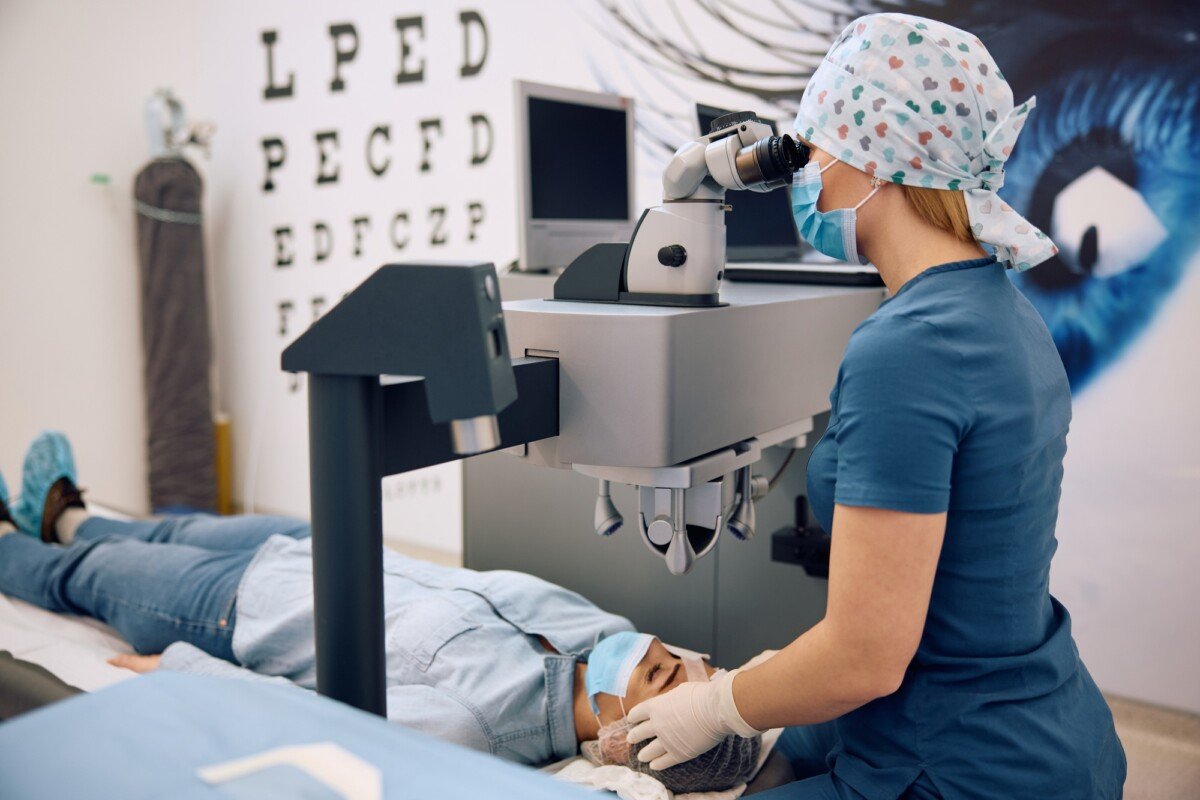
For millions worldwide, the dream of waking up with crystal-clear vision, free from the daily hassle of glasses or contact lenses, is a powerful one. Laser eye surgery, particularly LASIK, offers a path to this freedom, but the decision to undergo such a procedure is significant. You’re likely wondering: Is laser eye surgery worth it? This isn't just about clearer sight; it's about evaluating the investment, understanding the process, and weighing the potential benefits against the risks for your unique situation.
This super pillar hub is designed to be your comprehensive guide, dissecting every facet of laser eye surgery to help you make an informed decision. We'll explore what it truly means to live without corrective lenses, delve into the science behind the procedure, and clarify the real-world implications for your vision and lifestyle.
Understanding Laser Eye Surgery: A Path to Visual Freedom
At its core, LASIK (Laser-Assisted In Situ Keratomileusis) is a refined surgical procedure that permanently reshapes your cornea. By precisely altering the eye's front surface using an excimer laser, it corrects common refractive errors like nearsightedness (myopia), farsightedness (hyperopia), and astigmatism. For many, it can even address presbyopia, the age-related loss of near vision. The procedure has been FDA-approved for over two decades, boasting a strong safety record and a high success rate, with over 90% of good candidates achieving excellent vision without needing glasses or contacts.
The Long-Term Value: Is LASIK a Smart Financial Investment?
When considering any elective procedure, the cost is often a primary concern. LASIK typically costs around $2,200 per eye in the U.S., totaling about $4,400 for both. It's usually not covered by health insurance, Medicare, or Medicaid. However, looking beyond the upfront expense reveals a compelling financial argument.
Think about the lifetime cost of traditional vision correction. Managing nearsightedness with glasses, contact lenses, and routine eye exams can add up to an average of $9,300 to $17,020 over a lifetime. When you put it into perspective, LASIK can prove to be a more economical choice in the long run. To understand the full financial picture and explore your options, dive into our detailed breakdown: How much does LASIK cost? Cost.
Are You a Good Candidate? Eligibility and Alternatives
Not everyone is an ideal candidate for LASIK, and determining your suitability is the crucial first step. Eligibility is quite specific, based on factors like your overall health, the health of your eyes, vision stability, and corneal thickness. Generally, candidates should be between 19 and 40 years old, have stable vision for at least a year, and possess good general health without autoimmune or degenerative conditions that could affect healing.
Conditions such as cataracts, glaucoma, severe dry eyes, uncontrolled diabetes, or certain immune system diseases can disqualify you. If you're pregnant or nursing, or have thin or uneven corneas, LASIK is typically not recommended. For those who aren't suitable for traditional LASIK, or who prefer alternative methods, options like PRK (Photorefractive Keratectomy) or Refractive Lens Exchange (RLE) exist. To explore all your surgical and non-surgical avenues and determine if you meet the criteria, you'll want to review Berikut beberapa pilihan: Types of laser.
The LASIK Procedure: A Quick Path to Clearer Sight
The thought of eye surgery can be daunting, but the LASIK procedure itself is remarkably fast and virtually pain-free. Performed as an outpatient procedure, it typically takes about 20 minutes from start to finish, with most of that time spent on preparation. Patients remain awake, often with a mild sedative, and numbing eye drops ensure comfort throughout. Modern lasers are equipped with safety features that automatically shut off if your eye moves suddenly, ensuring precision and reducing risk.
The Upside: Unlocking the Benefits of Laser Eye Surgery
The primary motivation for most people considering LASIK is the significant improvement in quality of life. The benefits extend far beyond just seeing clearly:
- Rapid Vision Improvement: Many patients experience noticeably improved vision within hours and achieve clear sight by the very next day.
- Unmatched Convenience: Imagine waking up and seeing the alarm clock without fumbling for glasses, swimming without contacts, or participating in sports without visual hindrances. LASIK truly simplifies daily life.
- Enhanced Visual Acuity: While not always promising "superhuman" sight, LASIK can often help achieve 20/20 vision or better, offering a level of clarity that glasses or contacts might not consistently provide.
These advantages contribute to a profound sense of freedom and independence. To delve deeper into what you can expect from a successful procedure and its lasting impact on your life, Discover key benefits and outcomes.
Understanding Risks and Managing Expectations
While LASIK is considered safe with a very low risk of serious complications (less than 1% for issues like infection or vision loss), it’s crucial to be aware of potential side effects and risks. Some common, temporary side effects include dry eyes, which can persist for up to three months and are manageable with drops, and visual disturbances like glares or halos around lights at night, though modern technology has significantly reduced this risk.
A more serious, albeit rare, risk involves the corneal flap created during the procedure. This flap isn't secured and can be dislodged by trauma, even years later, necessitating immediate medical attention. There's also a slight chance of needing a second "enhancement" procedure, especially for those with very high initial prescriptions, if vision slightly regresses over time. Understanding these possibilities is key to realistic expectations. For a thorough overview of potential issues and how they're addressed, be sure to read Understand risks and side effects Manage.
Post-Surgery: The Recovery Journey and Lasting Results
Your journey doesn't end when you leave the operating room. The recovery process, though relatively quick, is vital for optimal results. You’ll receive specific instructions for post-operative care, including using prescribed eye drops and avoiding certain activities to protect your healing eyes. Most people can return to normal activities within a day or two, but full stabilization of vision can take a few weeks or even months.
The good news is that for most appropriate candidates, the results of LASIK are long-lasting, often for a lifetime. While some patients might experience subtle changes over many years, potentially requiring a touch-up, the initial correction is largely permanent. To navigate your post-procedure period with confidence, consult our detailed guide: Your post-operative recovery Guide to post-surgery.
Making Your Decision: Is LASIK Right for You?
So, is laser eye surgery worth it? For many, the answer is a resounding yes. The combination of improved vision, convenience, and long-term financial savings makes it a life-changing investment. However, it's a deeply personal decision that requires careful consideration of your health, lifestyle, and expectations.
The most important step you can take is to schedule a comprehensive consultation with a qualified ophthalmologist. They will assess your specific eye health, discuss all available options, and help you determine if LASIK or another vision correction procedure is the best path for you to achieve the clear vision you deserve. Take the leap, gather your facts, and embark on your journey towards visual freedom.